.png)
Critical Chain Project Management
Reduce Cycle Time. Improve Project Throughput
Critical Chain Project Management helps leadership address one of the most expensive problems in complex projects: work takes far longer than its natural execution duration because resources are fragmented, handovers are incomplete and too much work is released before it is ready.
When work-in-progress expands and cycle time stretches, output falls even when teams are busy.
What is Critical Chain Project Management (CCPM)?
CCPM is not only a scheduling technique. It is an execution system.
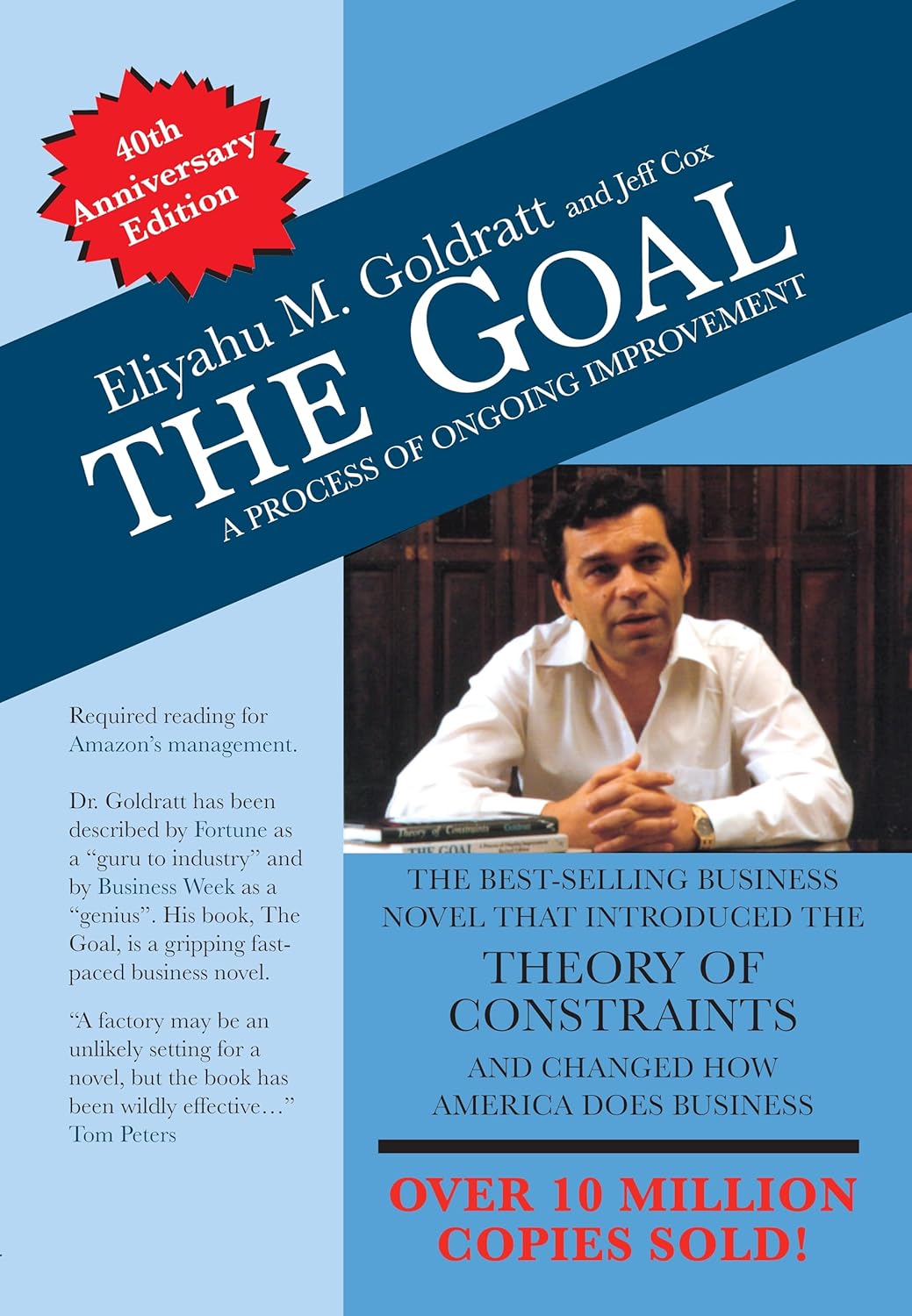
Critical Chain Project Management was developed from the Theory of Constraints. It differs from traditional project planning because it does not assume that task dependencies alone explain project delays. In real organizations, resources are shared, priorities change, teams multitask and work often begins before all inputs are ready.
Critical Chain Project Management (CCPM) creates a more practical management system. It plans around resource constraints, reduces unnecessary multitasking, uses buffers at the project and feeding-chain level and shifts management attention from chasing every activity to protecting flow and cycle time.
For leadership, the value of CCPM Project Management is not academic. It gives a way to ask a better question: where is time being lost, and how do we prevent the same loss from repeating across the project system?



Why detailed plans and reviews still fail to create speed
Most organizations are not short of effort. They are short of a system that converts effort into completed work quickly and reliably.
From more control to faster completion
The objective is not to create a more detailed schedule. The objective is to redesign the project management system so that planning, execution reviews, measurements, contracts and software all support one outcome: lower cycle time and faster project completion.
How Critical Chain Project Management (CCPM) changes the way projects are planned and executed
Realization’s implementation approach focuses on three system changes: planning, execution management and management behavior.
Where CCPM Project Management fits with other project management methods
Critical Chain Project Management (CCPM) does not need to replace every existing method. It can sit above PMO, stage-gate and detailed scheduling systems as an execution-control layer.
Why CCPM software matters after the method is designed
Critical Chain Project Management should not begin with software. It begins with changing how the project environment releases work, protects resources and manages handovers. But once multiple projects, shared resources and leadership reviews are involved, manual control becomes fragile.
The CCPM software, Streamliner, supports the operating rhythm through workstream networks, batch visibility, readiness queues, WIP control, priorities, dashboards, and executive visibility.
CCPM Project Management for complex, resource-constrained project environments
The Critical Chain Project Management is especially relevant where projects depend on shared resources, vendors, contractors, approvals, designs, procurement, handovers and management bandwidth.
More than methodology. Implementation experience matters.
Critical Chain Project Management requires organizational change. It affects planning, release discipline, resource behavior, measurements and leadership reviews. This is why implementation experience is more important than simply explaining the method.
Critical Chain Project Management FAQs
Answers are written for executives evaluating Critical Chain Project Management as a practical implementation approach, not only as a scheduling concept.
- What is the main business benefit of Critical Chain Project Management?


- How is CCPM different from Critical Path?
- Is CCPM Project Management suitable for construction and capital projects?
- Does CCPM Project Management mean reducing project scope or cutting corners?
- Why do organizations need CCPM consultants?
- Can CCPM Project Management work with existing ERP, PMO and project tools?
Want to know where your project is losing time?


EVERYTHING ELSE

Pashan Sus Road, Pashan Pune. MH- 411021 IN